
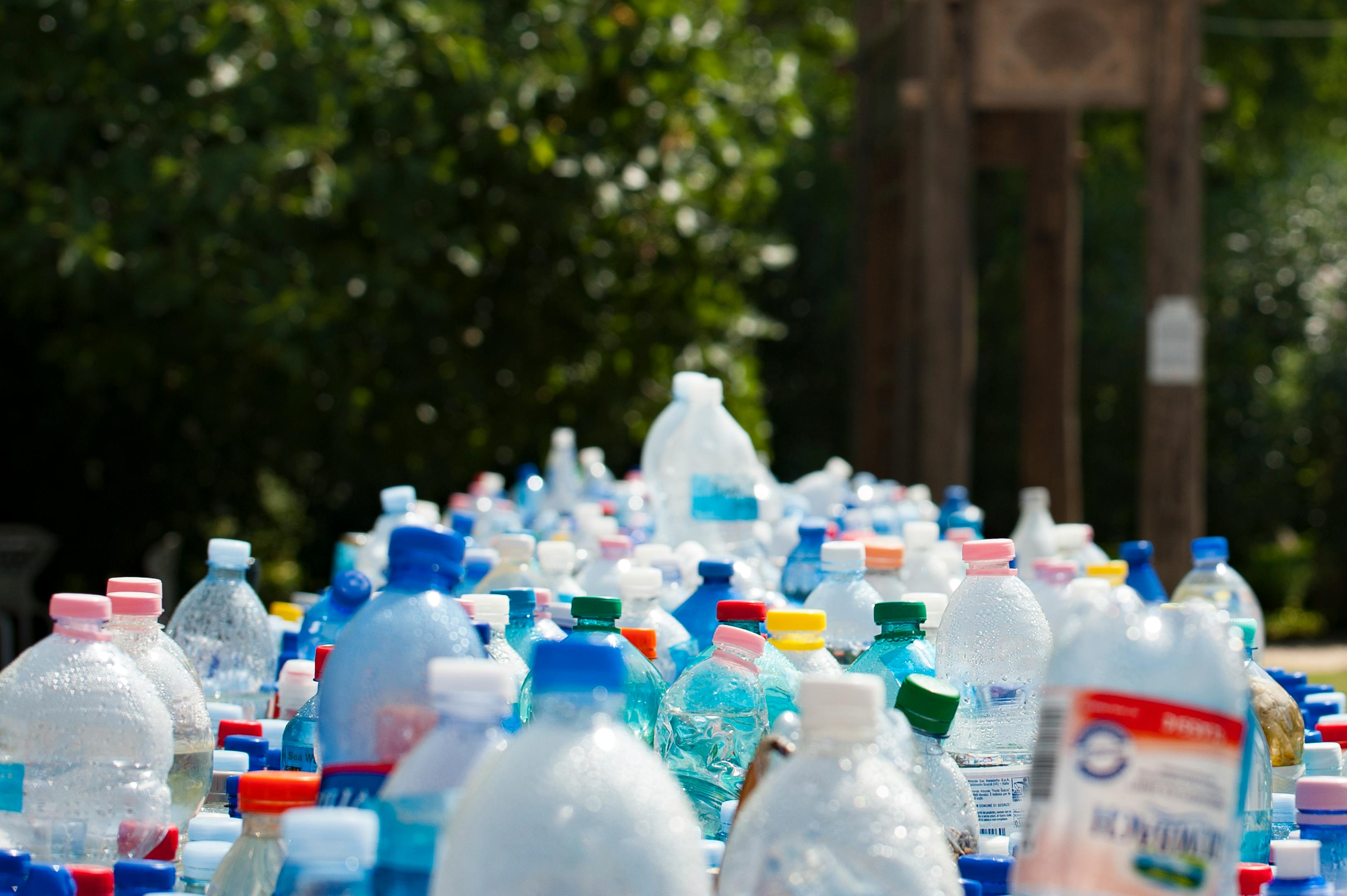

In our throwaway culture, plastic waste has become a global crisis, clogging our landfills and polluting our oceans at an alarming rate. But what if we could turn this environmental burden into a valuable resource? Enter 3D printing and the potential to transform discarded plastics into new, functional objects.
3D printing, or additive manufacturing, has revolutionized how we create and produce products across industries. By building objects layer by layer from digital blueprints, we can manufacture complex geometries with minimal waste and material consumption. However, the widespread adoption of 3D printing has been limited by the cost and availability of printing filaments – the raw material that feeds the 3D printers.
This is where recycling can play a pivotal role. Recycling and repurposing plastic waste can create a sustainable source of 3D printing filaments, effectively closing the loop on plastic consumption. Imagine transforming old water bottles, food containers, and packaging materials into raw materials for printing functional tools, household items, or prosthetic limbs.

The benefits of this approach are manifold. First and foremost, it diverts plastic waste from landfills and oceans, reducing our environmental footprint and the negative impacts of plastic pollution. Additionally, recycled plastic filaments can be significantly more cost-effective than their virgin counterparts, making 3D printing more accessible to individuals, small businesses, and educational institutions.
However, the potential of recycled plastic 3D printing extends far beyond cost savings and waste reduction. It opens up opportunities for localised manufacturing, empowering communities to create customised products tailored to their specific needs. This technology can foster entrepreneurship, innovation, and self-reliance in regions with limited access to traditional manufacturing facilities.
Furthermore, the ability to repurpose discarded plastics into functional objects aligns with the principles of a circular economy, where waste is minimised, and resources are kept in use for as long as possible. By embracing this approach, we move away from the linear "take-make-waste" model and toward a more sustainable, regenerative system.
Of course, for this vision to become a reality, we need robust recycling infrastructures and technologies capable of processing and preparing plastic waste for 3D printing. Collaboration between waste management agencies, recycling facilities, and 3D printing communities will be crucial in developing efficient and scalable solutions.
The potential rewards are significant: a cleaner environment, reduced reliance on finite resources, and a democratisation of manufacturing that empowers individuals and communities alike. By harnessing the power of 3D printing and recycling, we can turn plastic waste from a liability into a valuable asset, shaping a more sustainable future, one layer at a time.
References:
Chong, Siewhui & Pan, Guan-Ting & Khalid, Mohammad & Yang, Thomas Chung-Kuang & Hung, Shuo-Ting & Huang, Chao-Ming. (2017). Physical Characterization and Pre-assessment of Recycled High-Density Polyethylene as 3D Printing Material. Journal of Polymers and the Environment. 25. 10.1007/s10924-016-0793-4. https://www.researchgate.net/publication/305634257_Physical_Characterization_and_Pre-assessment_of_Recycled_High-Density_Polyethylene_as_3D_Printing_Material
Zander, N. E., Gillan, M., & Lambeth, R. H. (2018). Recycled polyethylene terephthalate as a new FFF feedstock material. Additive Manufacturing, 21, 174-182. (This study investigates the use of recycled PET plastic bottles as filament for fused filament fabrication 3D printing.)https://www.researchgate.net/publication/324868737_Recycled_polyethylene_terephthalate_as_a_new_FFF_feedstock_material